


Autumn aromatherapy: scents for moments of tranquillity
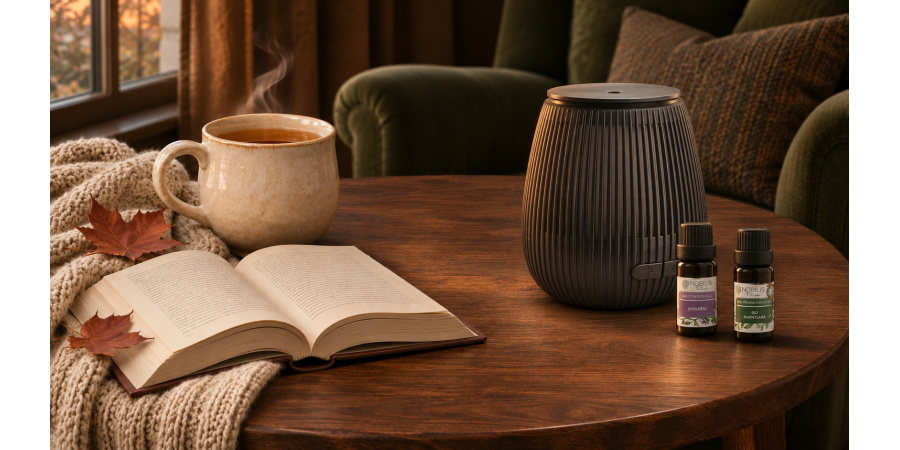
The evenings are drawing in, we reach for a warmer jumper in the morning, and when we get home, there is nothing quite like a mug of hot tea. Autumn has a charm of its own, even if tiredness, damp weather and one cold after another sometimes get in the way. All the more reason to make our homes a cosy retreat where we can switch off for a while. And essential oils and their scents fit beautifully into those moments.
Do you enjoy fresh herbal notes, or are you more tempted by orange with a little cinnamon? You can choose your autumn aromatherapy to suit you. We have put together a few fragrant suggestions from Nobilis Tilia, along with some tips on enjoying them at home.
Aromatherapy and immunity: what does the research show?
As colds become more common around us, we naturally look for ways to support our body's defences. Essential oils are often discussed in connection with immunity, and their effects also interest researchers.
A small study in healthy adults found increased levels of salivary IgA, an antibody involved in mucosal defence, following inhalation of lavender and grapefruit essential oils. This is an interesting preliminary finding, not proof that aromatherapy prevents colds. [1] Another randomised study using a blend of lemon, eucalyptus, tea tree and peppermint found no improvement in the immune markers measured, although participants reported less stress and better sleep. [2]
Rest and sleep are also among the main areas of aromatherapy research. A 2024 review by Cochrane Australia suggests a possible improvement in sleep quality, while rating the certainty of the evidence as low. It is therefore best to think of scents as a possible addition to moments of rest, with effects that may vary from person to person. [3]
Aromatherapy can have a place in your autumn self-care, but it does not promise protection against infection. Ventilation, hand hygiene and recommended vaccinations are important in reducing the risk of respiratory infections spreading. When we are ill, staying at home also helps protect others. [4]
What can scents bring to our day?
Sometimes we feel like fresh citrus notes; at other times, after a long day, we look forward to gentle florals or warm, spicy scents. Being able to choose a scent to match our mood is one of the lovely things about aromatherapy.
- A beautifully scented home. Simply choose a blend you enjoy and adjust its intensity to suit the room.
- A pleasant companion to relaxation. A scent can accompany reading, a quiet moment or some evening stretching.
- A little pleasure on a grey, damp day. A favourite aroma can lift your mood and make even an ordinary afternoon at home more enjoyable.
- Your own evening ritual. A little time away from your phone, a cup of tea and a gentle scent can be a welcome reminder that you have done enough for today.
Which essential oils should you choose for autumn?
Immunity for lovers of fresh scents
If you prefer more distinctive, fresh blends, you may enjoy the Immunity Essential Oil Blend. It combines notes of eucalyptus and camphor with a citrus-floral touch. A lovely choice whenever you feel like bringing a fresh scent into your home. The blend's name is not a guarantee of protection against colds.
Relaxation for an autumn evening
The Relaxation Essential Oil Blend is a lovely companion to a blanket, a book and a cup of tea. Orange, geranium and cinnamon give it a warm, fruity-floral scent with a spicy touch. A pleasant choice when, after a long day, you are in the mood for something warmer than fresh herbal notes.
Ravintsara for a fresh, herbal atmosphere
Ravintsara Essential Oil has an intense, fresh scent with notes of camphor and eucalyptus. It will particularly appeal to those who enjoy this distinctive scent profile and would like to try a single essential oil. Here, too, let your own sensitivity guide you – a stronger scent is not necessarily more pleasant.
A children's blend for quiet moments together
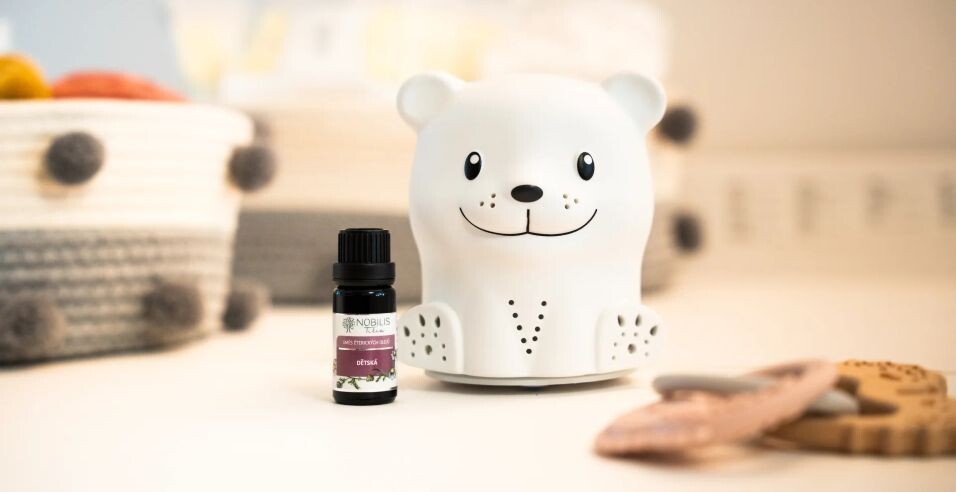
The Essential Oil Blend for Children has a gentle fruity scent with chamomile notes. Its ingredients include lavender, orange, mandarin and Roman chamomile. It could accompany a shared story time, for example, provided your child tolerates the scent well. Before use, always check the manufacturer's recommendations for the child's age and the intended method of use; a product described as “for children” is not suitable for unrestricted use.
Fragrant helpers for your home
Have you chosen your essential oil, but are still finding your way around diffusers? The main difference is how they disperse the scent.
The Nobilis Tilia Ultrasonic Aroma Diffuser uses water and essential oil to create a fine mist without heating. It offers both intermittent and continuous modes, along with coloured LED lighting. You can choose not only a scent you enjoy, but lighting that feels right for you, too.
The Nobilis Tilia Nebulizing Aroma Diffuser disperses the oil directly, without adding water. It offers three intensity settings and a timer, and has a rechargeable battery. This also makes it suitable for places where there is no socket close at hand. As it uses undiluted oil, start with a gentle setting and follow the instructions.
For a children's corner, you could choose the Nobilis Tilia Children's Aroma Diffuser, shaped like a little white bear. It uses ultrasonic technology, has coloured lighting and switches off automatically when the water runs out. An adult should operate it and choose a suitable oil.
Your home does not need to smell strongly or be scented all the time. Follow the dosage instructions for the specific oil and the diffuser's instructions, take breaks between uses and ventilate regularly. Clean the device according to the manufacturer's directions.
Essential oils are concentrated substances. Do not swallow them or apply them undiluted to the skin, and keep the bottles out of children's reach. For young children, or during pregnancy and breastfeeding, check the suitability of the specific oil with a qualified professional. If you have asthma or other breathing problems, consult your doctor before use. If a scent causes coughing, stinging eyes or a headache, switch off the diffuser and ventilate the room. [5, 6]
Autumn tends to bring plenty of things to do. That makes it all the more enjoyable to find a moment at home when there is nothing you need to catch up on. Choose a scent you love, make yourself something nice to drink and keep a little of the evening just for yourself. 💛
Your girls ❤️
Sources:
- Takagi, C.; Nakagawa, S.; Hirata, N.; Ohta, S.; Shimoeda, S. Evaluating the effect of aromatherapy on a stress marker in healthy subjects
- Lee, M.-k.; Lim, S.; Song, J.-A.; Kim, M.-E.; Hur, M.-H. The effects of aromatherapy essential oil inhalation on stress, sleep quality and immunity in healthy adults: Randomized controlled trial
- Cochrane Australia. Systematic review of evidence on the clinical effectiveness of aromatherapy.
- Centers for Disease Control and Prevention (CDC). Preventing Respiratory Illnesses.
- Solal, C. (ANSES). Essential oil sprays or diffusers: maybe not such a good idea.
- National Cancer Institute (NCI). Aromatherapy With Essential Oils (PDQ®)–Patient Version
- French Ministry of the Economy, Bercy Infos / DGCCRF recommendations
10 November 2026
Ke Zvoli 783
25241 Dolní Břežany
Česká republika
Business Reg. No.: 05080720
VAT ID: CZ05080720


